

The Darkest Grass Seed You Can Buy
Elite grass seed blends engineered for the darkest green color possible.
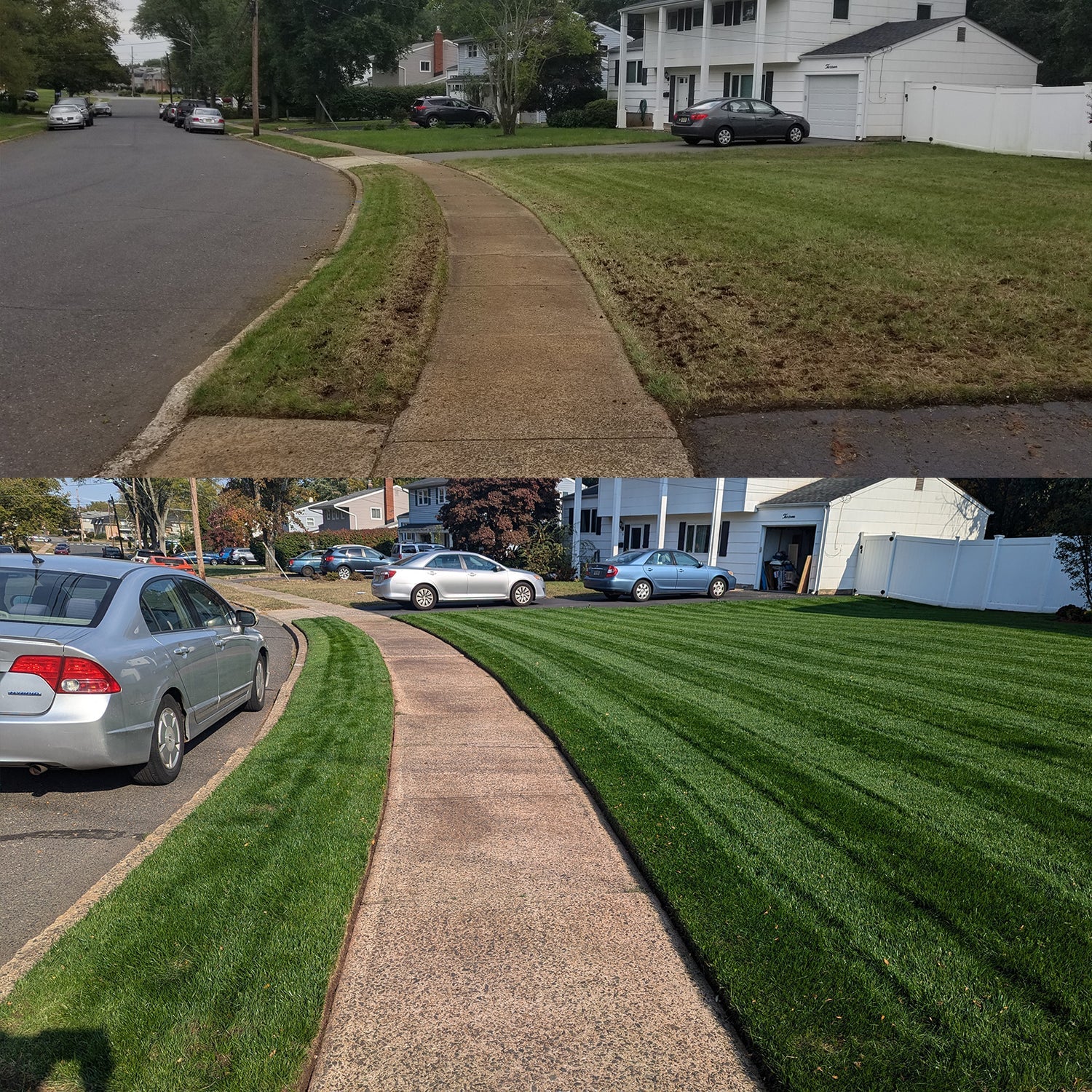
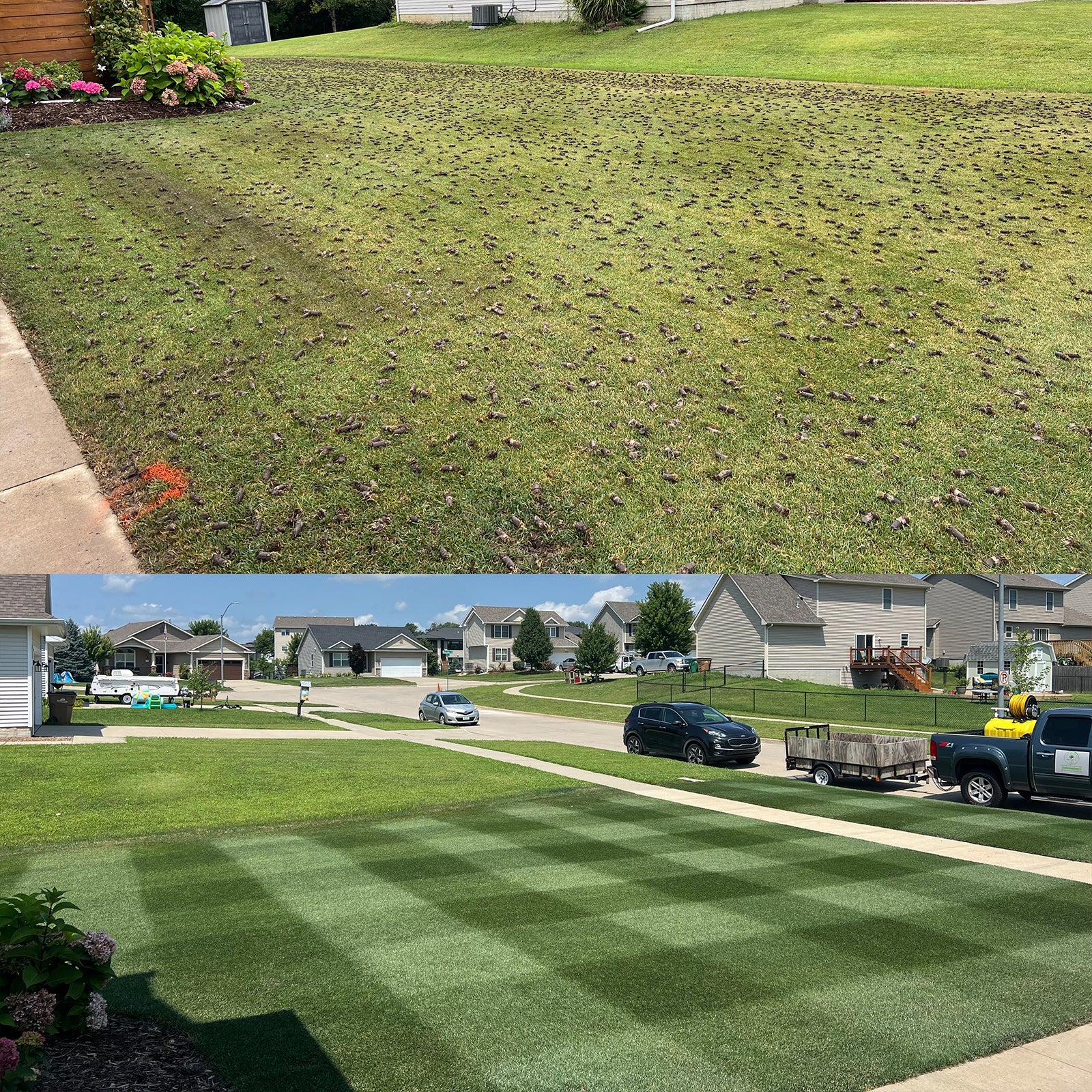
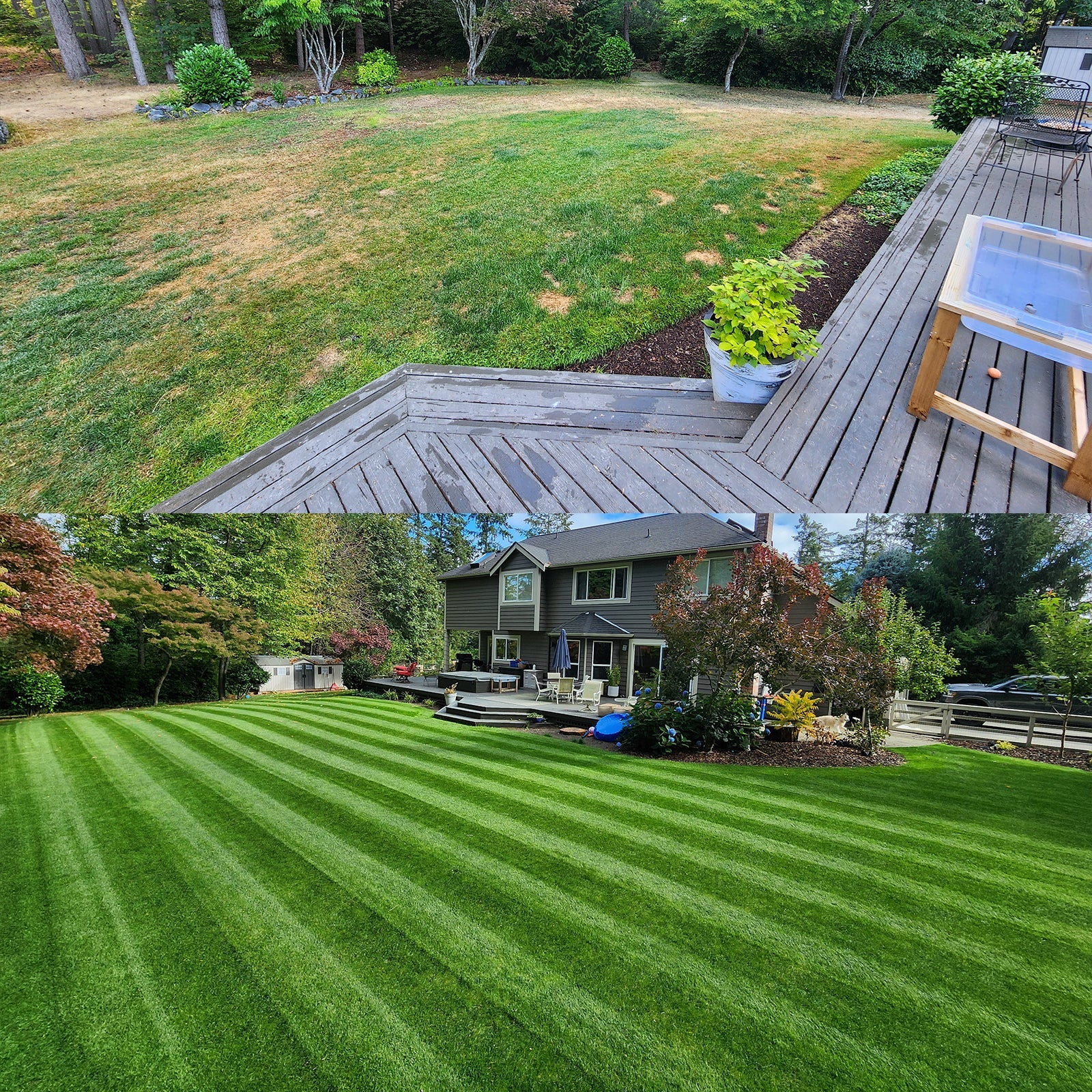
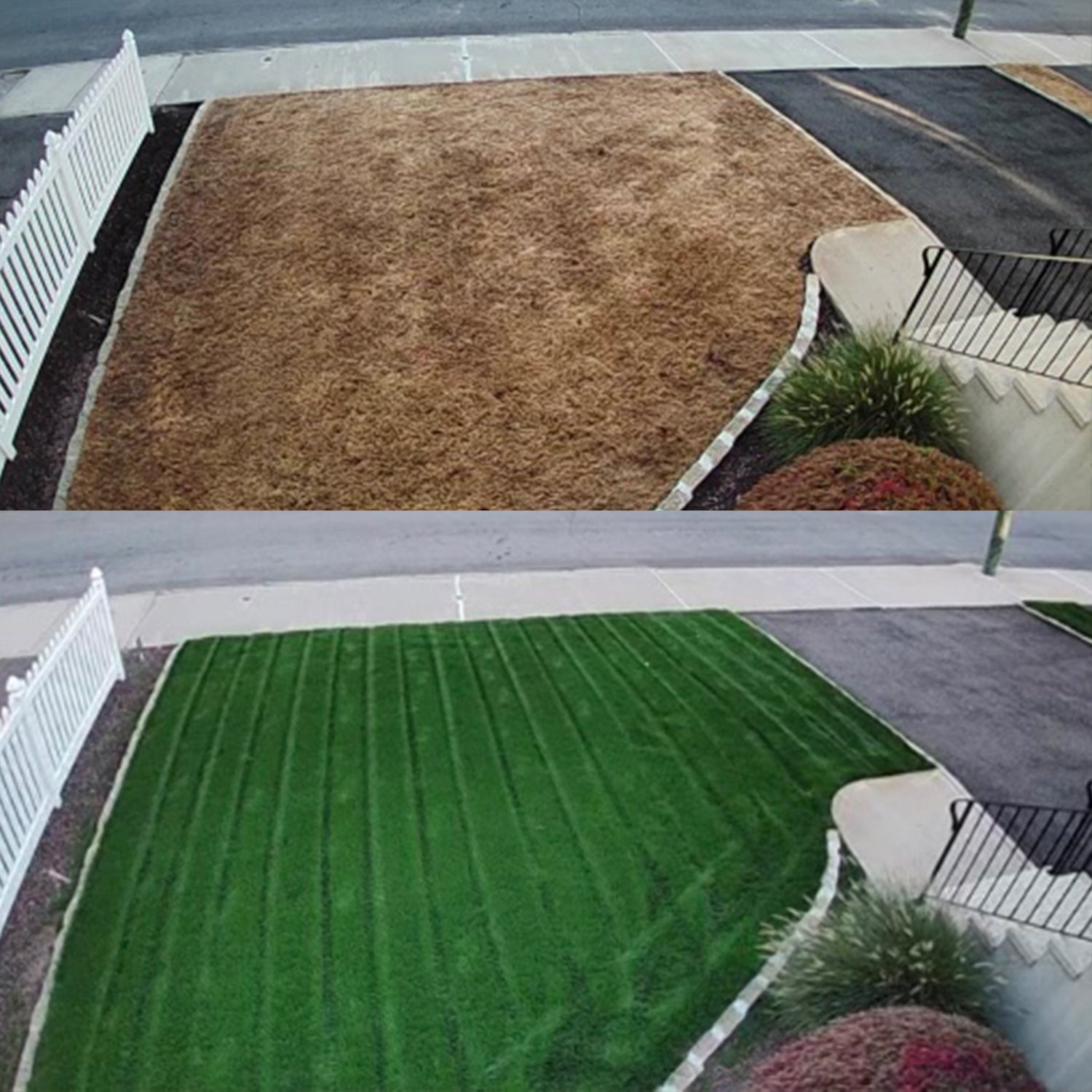
Real Results. From Real Lawns.
If your lawn has never had that deep, dark green look… this is why.
No gimmicks. No filters. Just what happens when you start with better seed.
Why Most Lawns Never Get This Dark (And How to Fix It)
Most homeowners think fertilizer is the answer. It’s not.
If the genetics aren’t there, your lawn will never reach that deep, elite green color, no matter what you apply. That’s why you can fertilize all season… and still never get that deep, dark green look.

🌑 Most Seed Isn’t Built for Color
Most big-box grass seed is designed to grow fast and cheap, not to look good.
That’s why you get:
- Washed-out green color
- Inconsistent patches
- A lawn that never really “pops”
NIGHTSHIFT is built differently. Every blend is selected specifically for deep, dark color, not just growth.
🌱 Genetics Are Everything
You can’t out-fertilize bad genetics.
The darkest lawns you see aren’t accidents. They’re built from elite cultivars selected for:
- Color
- Density
- Consistency
NIGHTSHIFT uses the same types of grass found in high-end turf applications. Giving you that thick, uniform, dark green look most lawns never achieve.
🚫 Don't Pay for Filler
A lot of grass seed is coated — which means you’re paying for material that doesn’t grow.
In some cases, up to 50% of what you spread isn’t even seed.
NIGHTSHIFT is 100% uncoated, which means:
- Better seed-to-soil contact
- More consistent germination
- More actual grass for your money
No filler. Just results.
If you’ve never had a lawn that really stands out, this is why ☝️
Now pick the right blend for your lawn ↓

Kentucky Bluegrass
👉 “Thick, elite lawn that spreads and repairs”
Best for: Cooler climates & dense lawns
Avoid if: extreme heat or drought
What you’ll get: Thick, spreading turf with deep color
Also available:
- KBG/TTTF Blend → better durability
- PRG/KBG Blend → faster germination

Turf Type Tall Fescue
👉 “Best for durability + heat tolerance”
Best for: Durability, high traffic, and areas with heat or limited water
Avoid if: You want a fully spreading lawn that repairs itself
What you’ll get: Deep roots, strong drought tolerance, and consistent dark color with less maintenance
Also available:
- KBG/TTTF Blend → better durability

Perennial Ryegrass
👉 “Fastest results. See green in days.”
Best for: Deep color, fast germination, and quick results
Avoid if: You want a lawn that spreads and fills in on its own. You're in an area with extreme heat.
What you’ll get: Rapid establishment, early color, and quick improvement in thin areas
Also available:
PRG/KBG Blend → Dark and spreading ability
Watch how we source our seed and step by step how to overseed it into your lawn.

This Is Where Your Lawn Changes
Most lawns never reach that deep green color — not because of effort, but because of the seed. Start with the right blend and everything else gets easier.
Grass Seed FAQs (Planting, Overseeding & Results)
Everything below stays the same on the copy side. This just presents it in a way that feels more premium and less default-theme.
Why is this more expensive than store-bought seed?
Most store-bought grass seed is designed to be cheap, not to produce the best-looking lawn.
That usually means:
- Lower-quality cultivars
- Less focus on color and density
- Coated seed (which can be up to 50% filler)
NIGHTSHIFT is built differently. You’re getting elite cultivars selected for deep color (proven by NTEPS), and 100% uncoated seed, so every pound you buy is usable seed.
It’s not just grass seed — it’s the foundation for a lawn that actually stands out.
Will this actually make my lawn darker?
Yes — if your goal is a deeper, darker green lawn, it starts with the seed.
You can fertilize all season long, but if the genetics aren’t there, your lawn will only get so dark.
NIGHTSHIFT blends are built using cultivars specifically selected for deep green color and visual impact, which is why you see such a noticeable difference in before-and-after results.
Give it proper water and care, and this is what allows your lawn to reach that next level of color most lawns never achieve.
What makes some grass darker than others?
Darker grass comes from genetics, not just fertilizer. Some cultivars naturally produce more chlorophyll and deeper color, which is why seed selection plays such a big role in how your lawn looks.
What are grass seed cultivars and why do they matter?
A cultivar is a specific variety of grass bred for traits like color, density, and performance. Higher-quality grass seed uses improved cultivars instead of generic varieties, which leads to better long-term results.
Are all grass seed blends the same?
No. Many grass seed products use lower-cost varieties that prioritize yield over appearance. Premium blends are made from carefully selected cultivars chosen for color, consistency, and overall lawn performance.
When is the best time to plant grass seed?
For most lawns, early fall is the best time to seed. Spring also works, but fall typically produces thicker, stronger results due to better growing conditions. Warm season overseeds happen in late fall.
How long does grass seed take to germinate?
It depends on the grass type:
Can I overseed without killing my entire lawn?
Yes. Overseeding is one of the easiest ways to improve a lawn. It helps fill in thin areas, increase density, and improve overall color without starting over.
How often should I water new grass seed?
Water lightly and frequently to keep the soil consistently moist — not soaked. Short watering cycles multiple times per day usually work best until the seed germinates.
Will this work for patchy or thin lawns?
Yes. Overseeding with high-quality seed is one of the fastest ways to improve thin or patchy areas and build a thicker lawn.
Do I need fertilizer when seeding?
Yes. Grass seed establishes best when paired with proper nutrients. A starter fertilizer helps support early root development and faster growth. If you have adequate phosphorus levels, you can skip the starter fertilizer.
What’s the difference between coated and uncoated seed?
Coated seed includes a layer of filler around the seed. Uncoated seed is 100% seed, which improves coverage and gives you more usable product per pound.
Which grass seed is best for my lawn?
It depends on your goals and conditions. Kentucky bluegrass is ideal for density, tall fescue is known for durability, and ryegrass is best for fast results. If you’re unsure, our lawn quiz can help guide you.